Catégorie : Uncategorized

  • What is the best asphalt or metal roof? Roof Sealant

    What is the best asphalt or metal roof? Roof Sealant

    Several options are available to you!

    If you are in the market for a new roof, you are probably feeling a little overwhelmed by the many options available. Asphalt shingles are among the most popular roofing options, but there is another option that is gaining ground – metal roofing! So which one is best for your home? Here is an overview of the advantages and disadvantages of each material.

    Asphalt roofing

    One of the biggest advantages of asphalt shingle roofs is that they are inexpensive compared to other shingles, making them a great option for homeowners on a budget. Another advantage is that asphalt roofs are incredibly flexible in terms of styling. Asphalt shingles come in a variety of colors and configurations, such as laminate and three-legged, so you can be sure you’re getting a roof that complements the look of your home and enhances its curb appeal.

    Also, if you want your roof to be installed relatively quickly, asphalt shingles could be a great solution. These types of shingles are very light and easy to cut, making them easier to install compared to other types of roofing. Very little prep work is required and no special tools are required. Since they are easy to install, asphalt shingles are also easy to replace. In fact, you can have the shingles replaced one at a time as needed, instead of going for a complete roof replacement.

    Of course, there are downsides to shingled roofs. Some cheaper asphalt roofing styles can be prone to wind uplift and shingle loss, putting your roof at risk of leakage. Additionally, while their lightweight natures make them easy to install, it also contributes to their ability to crack easily, especially when exposed to extreme temperature fluctuations or extreme heat.

    However, although extreme heat can cause problems, asphalt shingles should be installed when temperatures are warmer. If installed during the winter, your asphalt shingles can be prone to damage. Finally, asphalt roofs generally do not last as long as other roofing materials due to their light weight.

    Metal roof

    The biggest draw to metal roofs is their longevity. A properly installed metal roof can last between 40 and 70 years and withstand inclement weather such as wind gusts of up to 225 km / h. And with anti-rust coatings, they won’t corrode or crack over time. Another advantage is that they are environmentally friendly since they are 100% recyclable. Metal roofs are also energy efficient because they reflect solar radiant heat rather than absorb it, which can lower energy bills. And if you’re worried that your roof might look like an unsightly big piece of metal, don’t worry! Today’s metal roofs are available in a range of vibrant colors that will enhance the curb appeal of your home.

    Of course, there are downsides to metal roofs. One of the main reasons some homeowners are reluctant to invest in metal roofing is that it is generally more expensive than other types of roofing. Additionally, although metal roofs are valued for their durability, they can be dented by hail, falling large branches, or airborne objects. The impact of debris can also contribute to another problem: noise! Although this problem can be avoided with good insulation.

    Which one should you get?

    If you don’t mind investing in a roof that will last for decades with minimal maintenance, a metal roof might be for you. On the other hand, if you are a budget homeowner who loves the style and versatility of shingles, go for asphalt shingle roofs. Whatever roofing material you prefer, make sure your roofing is in the hands of a trusted company.
  • Top 3 Ways to Improve Your Roof’s Energy Efficiency

    Top 3 Ways to Improve Your Roof’s Energy Efficiency

    Improve attic insulation

    A relatively simple and inexpensive way to make your roof more energy efficient is to make sure you have adequate insulation.

    Poorly insulated attics don’t provide a home with the protection it needs to fight extreme temperatures and reduce energy costs. This is especially true for older homes, which normally have less insulation than newly built homes.

    While adding new insulation to a poorly insulated attic has some benefits, it is important to know the optimal amount and type of insulation to use.

    • Cooling roof coating

    • Replacement of shingles

    • Energy efficient roofing materials

    Cooling roof coating

    Another method of increasing the energy efficiency of your roof is to add a coating or cooling material to the roof.

    Anyone who has worn black in the summer sun knows the impact dark colors have on heat retention. The same principle applies to your roof: the darker the roof, the more heat is retained. A qualified roofer can apply a coating to the roof, such as cold paint, to reduce heat retention.

    Coating your roof can reduce thermal energy costs and increase UV protection and waterproofing, in addition to other benefits, such as extending the life of your roof.

    Replacement of shingles

    Replacing aging shingles can also offer increased protection from the sun. With many cooling options available, with each home requiring a specific solution, homeowners should schedule a roof inspection with a roofing contractor before deciding on the best cooling strategy to use.

    Energy efficient roofing materials

    While adding roof insulation and cooling materials are inexpensive and easy options that can greatly improve the energy efficiency of your roof, sometimes you will be left with roof replacement as the only option. When adding a new roof to your home, energy efficiency should be a major factor in your decision.

    There are a number of energy efficient roofing materials available. For example, metal roofing, although initially more expensive than shingles, provides significant savings on energy bills over the life of its lifespan. Proper installation is essential, so contact an experienced roofing contractor for advice.

  • What is residential roofing?

    What is residential roofing?

    Here’s what you need to know …

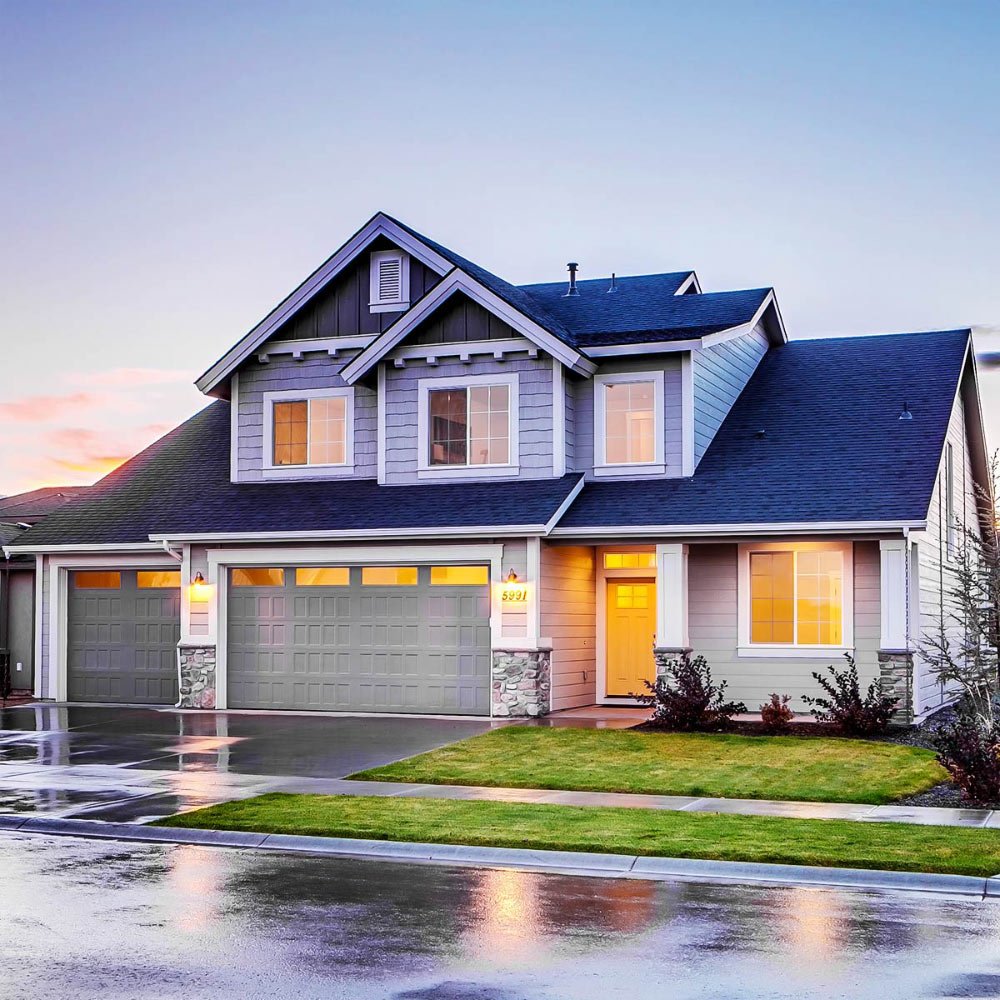
    Residential gray house with roof

    Residential roofing is an umbrella term for roofing companies and refers to structures designed for people living, especially in homes. If you are a homeowner looking to restore or repair your home’s roof, or if you want to have a new roof installed, you would hire the services of a residential roofing contractor, not a commercial one. To better understand what residential roofing is, we’ve put together a list of things you need to know:

    Residential roofing vs Commercial roofing

    While residential roofing applies to houses, commercial roofing applies to structures designed for retail or commercial use. Examples of commercial roofing include shopping malls, arcades, public facilities, etc. In addition to their respective goals, other differences include:

    Design

    Compared to residential homes, commercial structures, such as shopping malls, are generally larger in terms of square footage. Therefore, commercial roofs must be designed to support the additional weight and size of the structure. In contrast, residential roofing systems generally have a more or less steep slope design.

    Materials

    Commercial and residential roofing systems must be made of durable materials that can withstand the elements. Sustainable options include:

    • Metal
    • Asphalt shingles
    • Drink
    • Solar shingles

    However, unlike residential roofing, commercial roofing incorporates elements such as ventilation and air conditioning, which must be taken into account when choosing the right roofing material.

    Maintenance

    Residential roofing systems are easier to clean and maintain than their commercial counterparts thanks to their smaller size. They’re also easier to scan for storm damage because you have fewer areas to scan.

    Types of residential roofing

    • Gallet

    • Metal

    • Tile

    Every residential structure is different, so it’s important to understand the different residential roofing systems, their qualities, and which one would work best for your home:

    Pebbles

    Asphalt shingles are the most common roofing material because they are simple to install and are one of the most economical choices. These shingles are also incredibly durable and have an average lifespan of around 15 to 20 years. They are also available in a wide choice of colors and styles.

    Metal

    Metal roofing systems must pass rigorous wind and heave tests that include simulated wind speeds in excess of 150 miles per hour. Metal roofs are also fire resistant, and by having one installed on your home, you may be eligible for lower premiums on your home insurance.

    Tile

    Tile roofs are valued for their durability. Properly installed tile roofs can withstand rain, wind and hail. They are also fire resistant, like metal roofs, and can reduce energy costs because they reduce heat transfer through the air flowing under the tiles. Like shingles, they are also available in a variety of colors.

  • Damage to shingle roofs ~ Roof Sealant from Spray Seal

    Damage to shingle roofs ~ Roof Sealant from Spray Seal

    Roof damage Prolonged exposure?

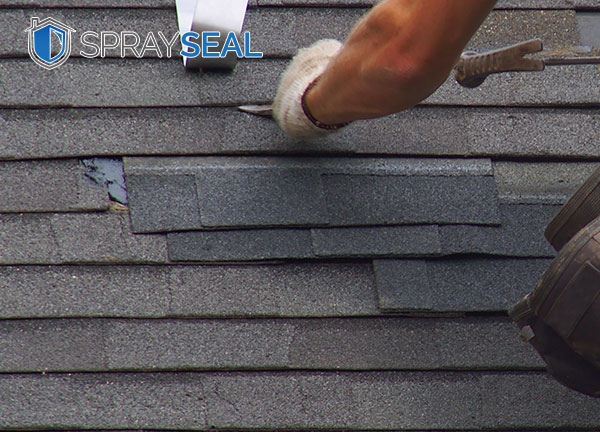
    Some things can be tough on your roofs. Prolonged exposure to weather and extreme temperatures can cause damage and lead to costly problems for your home or business.

    7 tips for repairs and prevention

    In this article, we’ve researched and listed 7 types of damage that can be done to shingles, along with prevention and treatment tips for each problem!

    • Blisters

    • Cracks (thermal)

    • Curling

    • suction cups

    • Chipping

    • Hail bruise

    • Manufacturing defect

    Gas migrates to the surface of the shingles

    Blisters: Blisters are caused by the expansion of volatile gases escaping from the asphalt layer. The gas migrates to the surface of the shingles, eventually causing erosion and blistering on the top.

    Prevention: Make sure your roof is well ventilated and that shingles are not installed over wet surfaces, such as wet felt or roof decking.

    Treatment: There is no way to stop the blisters once they start to occur. Eventually, the roof will need to be replaced. If the blisters are severe, where they open and expose the shingle mat, the shingle mat will need to be replaced immediately.

    Asphalt shingle mat drying out

    Cracks (thermal): Cracks are the result of the asphalt shingle mat drying out over time, causing the mat to shrink and the surface to crack. Shingles that exhibit this only a few years after installation may indicate a manufacturing defect in the shingle.

    Prevention: Cracks occur due to age and normal wear and tear, so they are difficult to prevent.

    Treatment: Cracks are very common on shingle roofs and are generally harmless. When shingles show craze cracks, they don’t necessarily need to be treated or replaced.

    Curling a possible damage to your roof

    Curling: Curling occurs when the shingles on your roof begin to lift and curl around the perimeter of the shingle.

    Prevention: Make sure your roof is properly ventilated. Roofs that have an extra layer installed on top of the pre-existing layer are more likely to roll up.

    Treatment: You can apply additional sealer to the underside of the shingles in the corner where the curling occurs to seal it to the roof surface.

    Other damage to shingle roofs

    Suction Cups: Suction cups occur when the shingles start to be concave from the middle, causing waves or suction cups in the appearance of the shingle. Suction cups are typically caused by age-related wear and tear on an asphalt or organic shingle roof.

    Prevention: Make sure your roof is well ventilated and that shingles are replaced when their life is exceeded.

    Treatment: When sucking occurs, it means it’s time to replace the roof

    Chipping: Chipping is the deterioration of the roof’s surface, which is usually caused by the weathering of the shingle due to extreme age.

    Prevention: Replace your roof when its life is over.

    Treatment: When chipping occurs, it is a sign that the roof should have been replaced, many years ago.

    Hail bruise: Hail bruise occurs when hailstones damage the surface and mat of the shingles, compromising the shingle’s water-draining ability.

    Prevention: Besides living in an area where hailstorms are less frequent, there is no way to prevent this type of damage.

    Treatment: Replace damaged shingles or the entire roof, depending on the extent of the damage. This type of roof damage is covered by most standard home insurance policies.

    Manufacturer’s Defect: A manufacturer’s defect is a problem caused during the manufacturing process that causes a defect in the shingle.

    Prevention: Unfortunately, this happens from time to time.

    Treatment: You can contact the shingle manufacturer for their defect handling policy. Some companies may be willing to pro-rate you for the life of the shingle if there is a warranty and it is covered by the manufacturer’s policy.